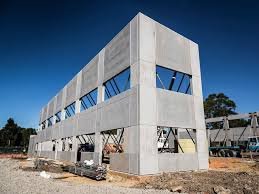
Fibers for the Construction Industry

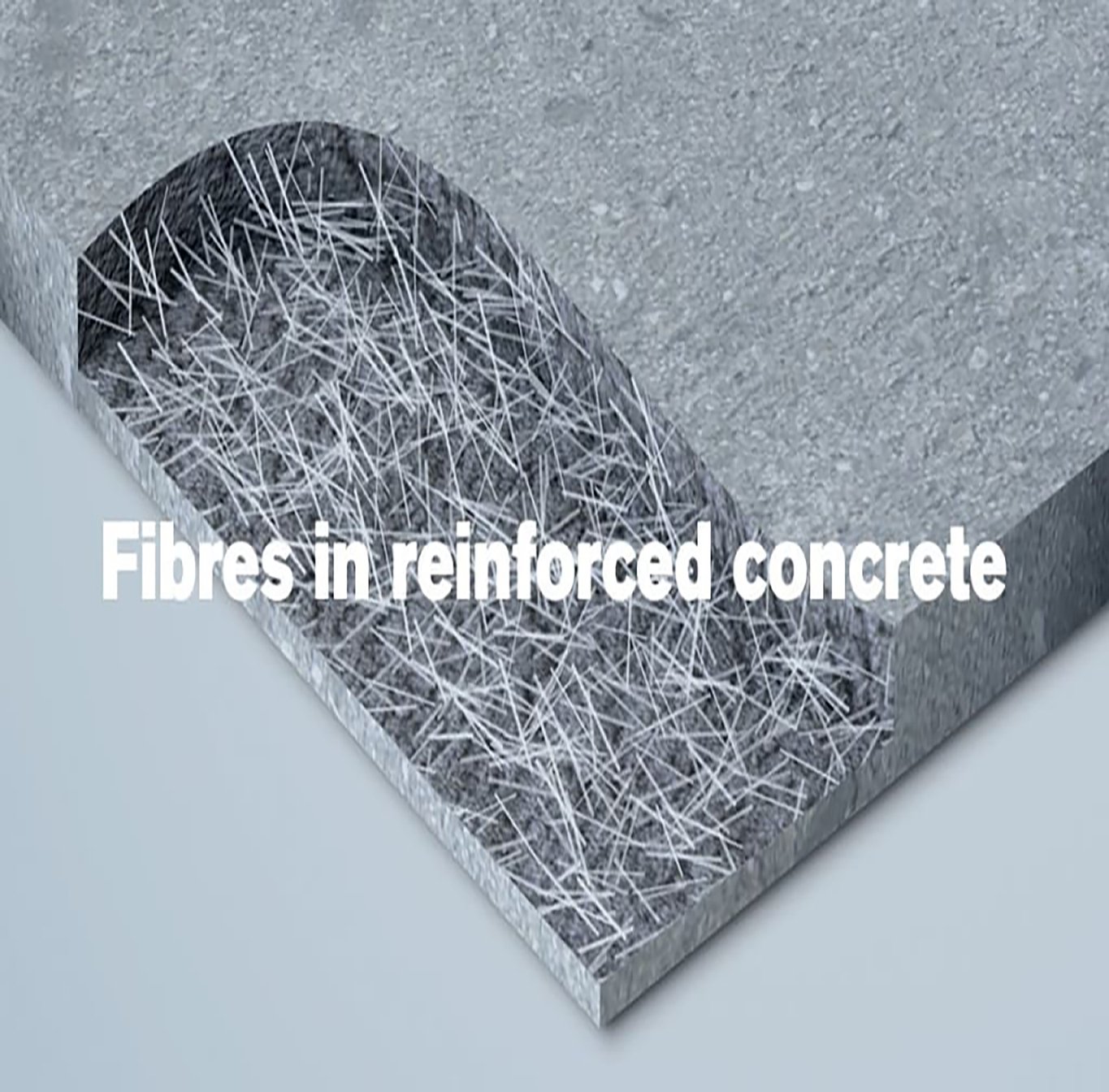
Specialized fibers for concrete reinforcement.
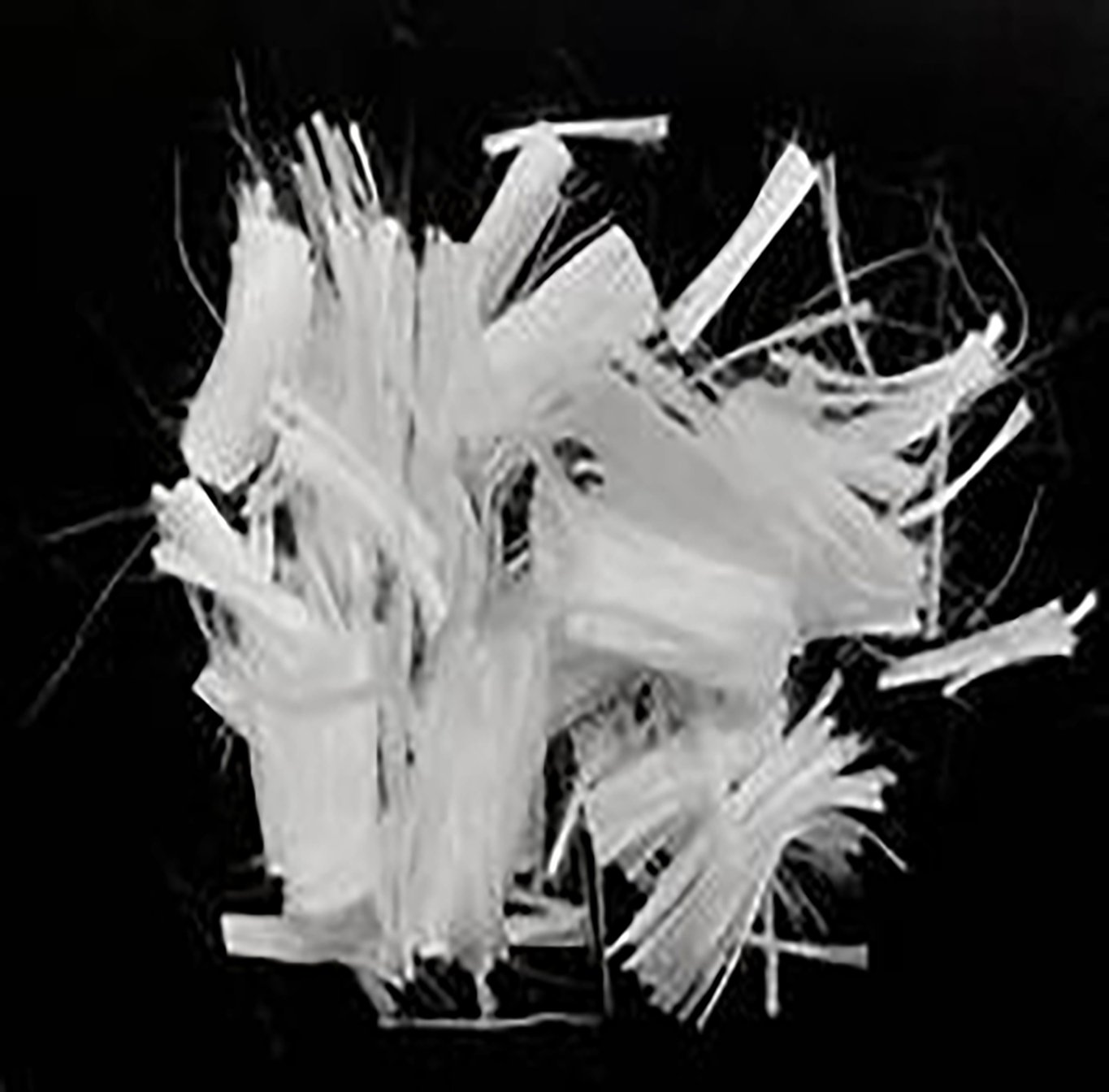
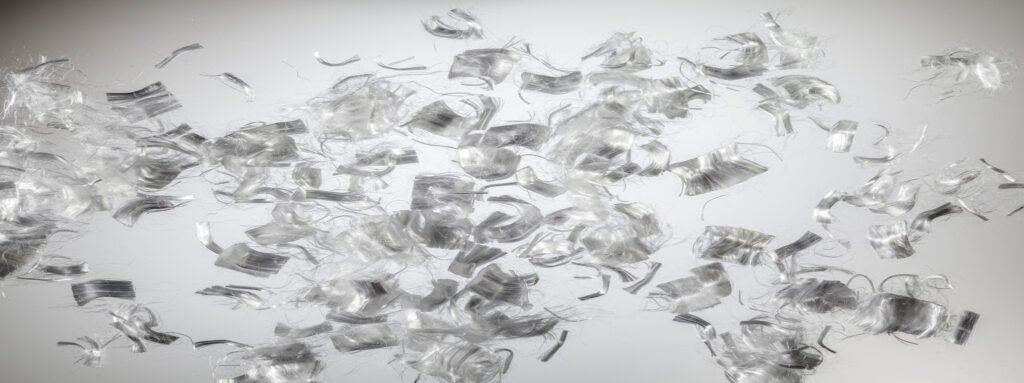
Innovative Acrylic fibers.
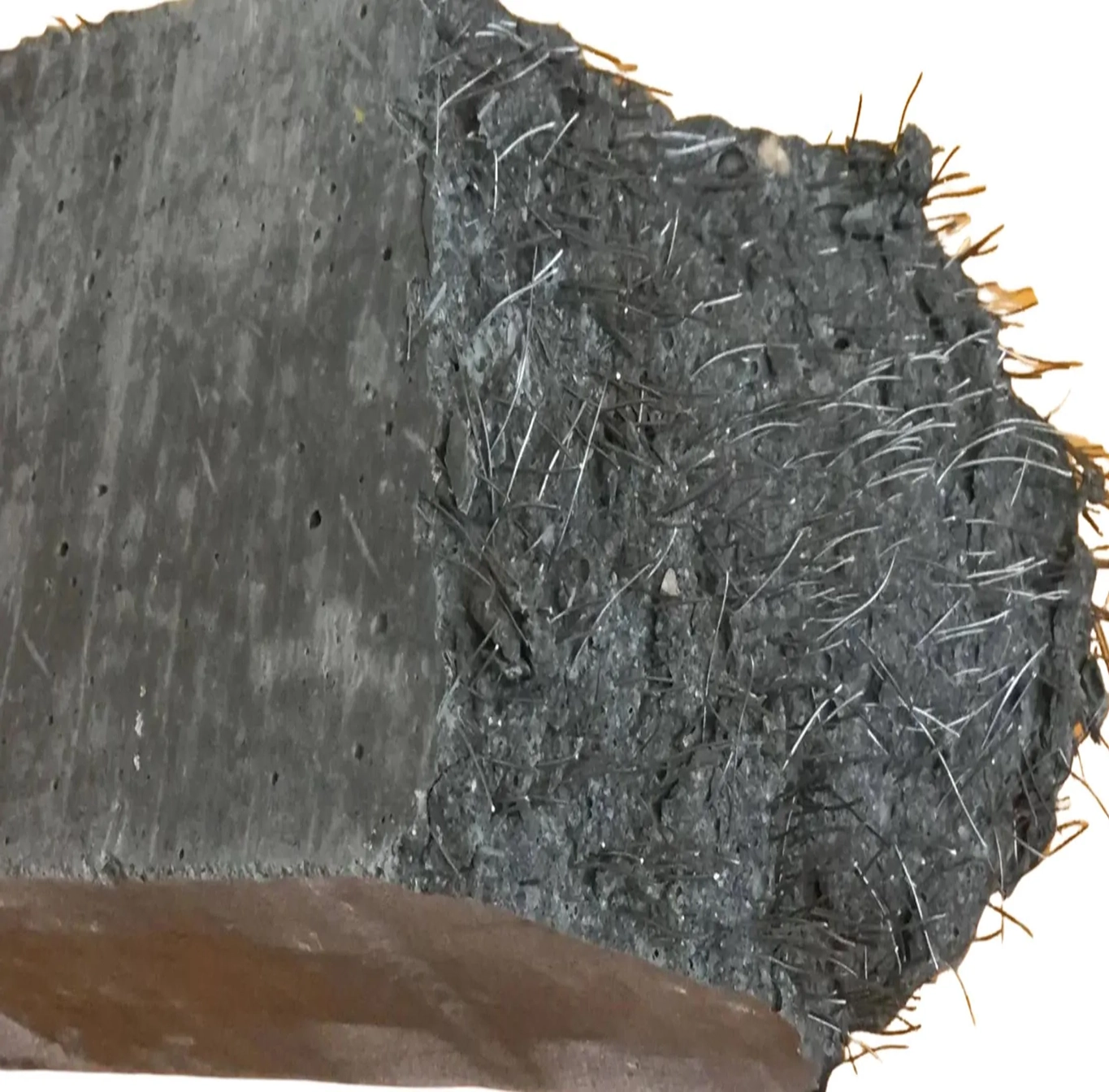
Durable solutions for enhanced structural integrity.
Reinforcing Solutions for Concrete, Adhesives, Flooring, and Insulation
At YYB Fiber Company, we supply high-performance fibres tailored for use in the construction industry. Whether you’re working with concrete, adhesives, flooring compounds, or insulation materials, our fibre solutions are engineered to enhance durability, performance, and longevity.
Concrete Fibres
Construction-grade fibres are added to concrete mixes to:
* Minimize plastic shrinkage
* Reduce cracking during curing
* Improve green strength and early-stage durability
* Enhance long-term structural integrity
* Improve permeability and reduce the risk of explosive spalling at high temperatures
By creating micro-channels within the concrete matrix, these fibres promote faster drying and moisture control—making them ideal for demanding environments.
We offer a wide range of fibres for concrete applications:
Fiber Options:
Polypropylene Fibres
Reduces plastic shrinkage and surface cracking
Excellent chemical resistance
Enhances long-term durability
Nylon Fibres
Increases toughness and impact resistance
Reduces permeability to water and chemicals
Holds concrete together even after cracking
Cellulose Fibres
Improves water retention during curing
Enhances surface finish
Supports even drying and reduced curling
Acrylic Fibres
Boosts resistance to weathering and wear
Improves surface appearance and long-term durability
Aramid Fibres
Provides high tensile strength
Suitable for structural and load-bearing reinforcement
Performs well under dynamic stress
Polyester Fibres
Enhances flexural strength
Offers fire-retardant and weatherproof properties
Lightweight, ideal for complex forms and detailed work
Material Highlights
Polypropylene (PP)
A thermoplastic polymer known for its ruggedness and chemical resistance. It is widely used to increase the flexural strength of concrete while minimizing shrinkage-related cracks. Ideal for general-purpose reinforcement in commercial and industrial concrete applications.
Polyester
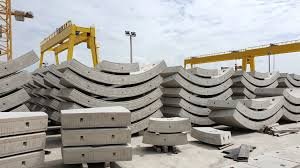
Valued for its weather resistance and fire-retardant qualities, polyester fibers create smooth, impermeable surfaces. Lightweight yet strong, polyester concrete is well-suited for detailed architectural elements and precast structures.
Nylon
Nylon fibers help reduce permeability, making concrete more resistant to moisture and chemical intrusion. Their elasticity and tensile strength help maintain the structural cohesion of concrete over time, even in aggressive environments.
Insulation Fibres
We offer a variety of precision or short-cut construction fibres and flocks for use in the manufacture of insulation products. Nylon, polypropylene, and polyester can be used in the fabrication of plasterboard. Natural flocks such as wool and hemp are used for wall, loft, and under floor insulation.
Insulation Materials Include:
Precision-cut polyester construction fibre is a very strong and stable man-made fibre used in many industries. It is warm and insulating, making it perfect for most insulation applications. Polyester is resistant to stretching and shrinking and highly resistant to abrasion and acid degradation.
Nylon is widely used in industrial applications as it is insulating, strong, and very stable. It is ideal for insulation purposes as it is breathable but tightly woven.
Viscose rayon is 100% biodegradable and is widely used in environmentally friendly applications. It is a good eco-friendly alternative to other insulation fibres.
Adhesive Fibres
Adhesives are commonly used across a wide range of industries and applications. Fibres are added to adhesives to increase binding ability and distribute stress more efficiently across the join. They also help reduce costs and increase design flexibility.
The following materials are available for adhesive applications:
Polyethylene flock is used in sealants due to its high impact strength and resistance to chemicals and solvents. It is also extremely flexible and absorbs zero water, making it a common choice for marine applications.
Nylon is often added to sealant mixtures as it is hard-wearing and durable. It is also resistant to sun damage, high temperatures, and abrasion, and is easily dispersible.
Polypropylene is extremely tough, durable, and flexible, making it an excellent choice for sealant manufacture. It can flex with the finished product without allowing water, air, or other unwanted particles to penetrate.
Aramid fibers are strong, heat-resistant, and help improve viscosity control in sealants. They disperse well in liquids and settle in random patterns to build viscosity — a property unaffected by processing or aging.
Acrylic sealant is often made from acrylic resins and used for caulking, jointing, and filling cracks or gaps. Common in construction, it remains flexible after curing and can be easily painted, making it ideal for interior and exterior use.
Modacrylic is strong, soft, resilient, flexible, and easily dispersed. It has outstanding resistance to chemicals, solvents, and high temperatures, and is hard to ignite — making it a common in tumescent additive in adhesives, resins, and paints.
Resin Fibres
We produce a range of short-cut fibers designed to improve the physical properties of base resins. When combined with fibres and flocks, resins gain increased tensile strength, toughness, and malleability. Fiber-reinforced resins counteract individual material weaknesses, resulting in more robust and versatile compounds.
The following fibres and flocks can be added to reinforce resins:
Polypropylene is a thermoplastic polymer resin that is lightweight and flexible, making it less likely to shatter. It can withstand significant damage before breaking and offers high dye affinity while repelling water. It is used in construction as a flexible, durable material with strong mechanical, thermal, chemical, and electrical properties. It absorbs almost no water and burns slowly.
Custom Formats and Technical Support
Our construction fibres are available in various lengths, deniers, and formats to meet your specific mix designs and performance goals. We work closely with clients to recommend the most effective fiber solutions for their project requirements.
Have questions about fibre compatibility or dosage rates? Contact our technical team for guidance and formulation support.